
Deiseb Dŵr Cymru – Welsh Water Petition
I lofnodi, plîs ysgrifennwch ebost efo teitl “lofnodaf” at info@wru.org.uk, efo eich enw. Dywedwch wrthon ni hefyd os dach chi isio derbyn ebost pan bydden ni’n anfon y ddeiseb at Ddŵr Cymru (bydd tua 31.05). Oni bai hynny, tybiwn ni nad oes hawl i ni gysylltu â chi.Yn ôl yr amcangyfrifon gorau o ba mor aml y caiff carthffosiaeth (amrwd neu wedi ei thrin) ei rhyddhau i afonydd, Dŵr Cymru yw’r cwmni dŵr ail waethaf ledled Cymru a Lloegr. 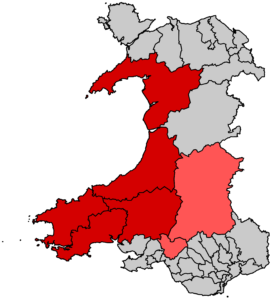 Os edrychir ar y sefyllfa mewn etholaethau ledled Cymru a Lloegr, gwelir bod pump o’r rheiny y mae Dŵr Cymru yn gyfrifol amdanynt yn cael eu gosod yn y 10 gwaethaf o ran oriau rhyddhau carthffosiaeth, a saith ohonynt yn y 10 gwaethaf o ran nifer yr achosion o ryddhau carthffosiaeth (Top of the Poops). Mae’r rhain yn cynnwys Dwyfor Meirionnydd (y ddau), Dwyrain Caerfyrddin a Dinefwr (y ddau), Preseli Sir Benfro (y ddau), Gorllewin Caerfyrddin a De Penfro (y ddau), Ceredigion (y ddau), Brycheiniog a Sir Faesyfed (achlysuron), a Chastell Nedd (achlysuron). Afon Wysg yw’r afon seithfed waethaf ledled Cymru a Lloegr yng nghysywllt nifer yr oriau y rhyddheir carthffosiaeth. Mae’r ystadegau uchod yn ymwneud â rhyddhau cyfreithlon yn unig. Mae pobl gyffredin a newyddiadurwyr gweithgar yn darganfod datganiadau anghyfreithlon ym barhaol (e.e. BBC Panorama Ebrill -21). Mae ENDS Report yn crynhoi: “O ddeg cwmni yr ymchwiliwyd iddynt gan Panorama, roedd gan saith ohonynt weithiau trin a oedd yn gweithredu’n groes i’w trwyddedau. Canfuwyd bod Dŵr Cymru yn un o’r troseddwyr gwaethaf, a’i ffatri yn Aberbaiden yn dympio carthion yn anghyfreithlon i’r afon Wysg warchodedig am ddeuddeng niwrnod yn olynol ym mis Rhagfyr.” A dychwelyd i afon Wysg, sydd yn agos i frig y siartiau carthffosiaeth, ac a amlygwyd gan raglen Panorama yng nghyswllt rhyddhau anghyfreithlon, mae’n werth nodi’r adroddiad ‘A dying river? The State of the River Usk’ gan Dr Guy Mawle: “This report shows that the ecology of the River Usk is degraded and deteriorating. If it is to be restored, or even resilient, there will have to be a sea change in strategy, resources, regulation and management. Most [designated features] now appear to be in worse condition including the otter, salmon, shad, lamprey and water crowfoot. Prey for the otter has become scarcer. The salmon, once hugely abundant and supporting valuable fisheries, is now scarce or absent from much of the catchment… The Usk, as a SAC, is the worst in Wales for excessive phosphate with 88 percent of its water bodies failing”. Nid carthion yw’r unig ystyriaeth yn y gwaith o achub afonydd Cymru, ond dyma ystyriaeth bwysig iawn. Pam nad oes triniaeth drydyddol i garthffosiaeth mewn dalgylchoedd sy’n dirywio, fel dalgylch afon Wysg? Pam fod gollyngiadau carthffosiaeth sy’n anghyfreithlon a/neu heb eu datgan yn digwydd o hyd? Sut mae’n bosibl bod afon warchodedig fel afon Wysg wedi derbyn mewn un flwyddyn (2020) – a hynny’n gyfreithlon – gyfanswm o werth 19,952 awr (neu 831 diwrnod neu ychydig dros DDWY FLYNEDD) o garthion (amrwd neu wedi’u trin yn rhannol), a hynny ar ben yr elifiant carthion rheolaidd ac ar ben yr hyn a ryddhawyd yn anghyfreithlon ac yn gudd? Pam fod y gwaith o ddod i wybod hyn yn gorfod cael ei wneud gan y cyhoedd? Yn ddiamau, mae angen galw am reoleiddio cwmnïau dŵr yn effeithiol, ond dylem hefyd fynnu gweithredu gan y cwmnïau dŵr eu hunain. Hoffem weld diwedd ar y cyfrinachau. Rydym yn mynnu a ganlyn gan Ddŵr Cymru:
|
To sign, please write an email with the title “I sign” to info@wru.org.uk, with your name. Tell us also if you wish to receive an email when we finally send the petition to Welsh Water (this will be by ca 31.05.). Otherwise, we assume we don’t have your consent to contact you.Dŵr Cymru is the second-worst water company across England and Wales in terms of the occasions of (permitted) raw or partially treated sewage released into rivers, based on best estimates (water companies are not reporting consistently). 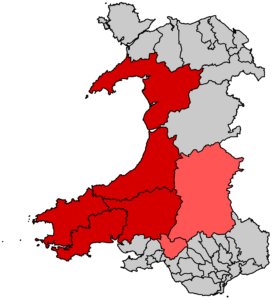 By constituency across England and Wales, Dŵr Cymru has 5 of the top 10 worst positions based on hours of sewage released, and 7 of the top 10 worst positions based on occasions of sewage released (Top of the Poops). These include Dwyfor Meirionnydd (both), Carmarthen East and Dinefwr (both), Preseli Pembrokeshire (both), Carmarthen West and South Pembrokeshire (both), Ceredigion (both), Brecon and Radnorshire (occasions), and Neath (occasions). The River Usk is the 7th-worst river across England and Wales in hours of sewage released. The above statistics only concern permitted releases. Unpermitted releases keep being discovered by active lay people and journalists (see e.g. BBC Panorama April -21) . The ENDS Report summarises: “Of 10 companies investigated by Panorama, seven had treatment works that were breaching their permits. Welsh Water was found to be one of the worst offenders with its Aberbaiden plant illegally dumping sewage into the protected river Usk for 12 consecutive days in December.” To return to the Usk, which tops sewage charts and was highlighted by the Panorama programme for illegal sewage breaches, it is worth noting the report ‘A dying river? The State of the River Usk’ by Dr Guy Mawle, highlighting “This report shows that the ecology of the River Usk is degraded and deteriorating. If it is to be restored, or even resilient, there will have to be a sea change in strategy, resources, regulation and management. Most [designated features] now appear to be in worse condition including the otter, salmon, shad, lamprey and water crowfoot. Prey for the otter has become scarcer. The salmon, once hugely abundant and supporting valuable fisheries, is now scarce or absent from much of the catchment… The Usk, as a SAC, is the worst in Wales for excessive phosphate with 88 percent of its water bodies failing”. Sewage is not the only part, but an important part, of rescuing Welsh rivers. Why is there no tertiary treatment of sewage in declining catchments like the Usk? Why are there still illegal and unreported sewage releases? How is it possible that protected rivers like the Usk are receiving – legally – a total of 19,952hours (or 831 days or 2.2 YEARS) worth of raw or partially treated sewage in one year (in 2020), on top of the regular sewage effluent, and on top of unknown illegal releases? Why is it down to lay people to discover this? There are no doubt demands to be made regarding the effective regulation of water companies, but we should also demand action from the water companies themselves. We want no more secrets. We demand of Dŵr Cymru:
|
|---|